
Japanese cuisine is world-famous for its sophistication in preparation and presentation. Among them, Japanese Tempura – a typical crispy fried dish, has become an indispensable symbol of the Land of the Rising Sun. Although it is just a simple fried dish, tempura contains the Japanese culinary philosophy: gentle, pure and honoring the original taste of the ingredients. Let’s explore the origin, preparation method, famous types of tempura and where to enjoy delicious tempura in Da Nang!
Mục Lục
Introduction to Japanese Tempura
Before becoming one of the world’s favorite Japanese dishes, tempura was a Western dish. In the 16th century, Portuguese missionaries brought the batter-coated fried food to Japan. The Japanese then refined the recipe, changed the frying technique, and selected ingredients to suit their local tastes, making tempura their signature dish.
Unlike regular fried food, Japanese tempura is fried in sesame oil or light vegetable oil, at a precise temperature, so that the batter coating on the outside is golden and crispy while still retaining the freshness and sweetness on the inside. It is this meticulousness that makes tempura both elegant and rich – reflecting the “wabi-sabi” spirit in Japanese culinary culture: beauty in simplicity and naturalness.

Ingredients for Perfect Tempura
To create a delicious Japanese tempura dish, the chef not only needs skillful techniques but also a clear understanding of the culinary spirit of the Land of the Rising Sun: “Respect the ingredients and preserve the natural flavors”. Therefore, each step — from choosing the ingredients, mixing the batter, to controlling the oil temperature — is meticulously performed like a ritual. Below are three core elements that make up the perfection of Japanese tempura.
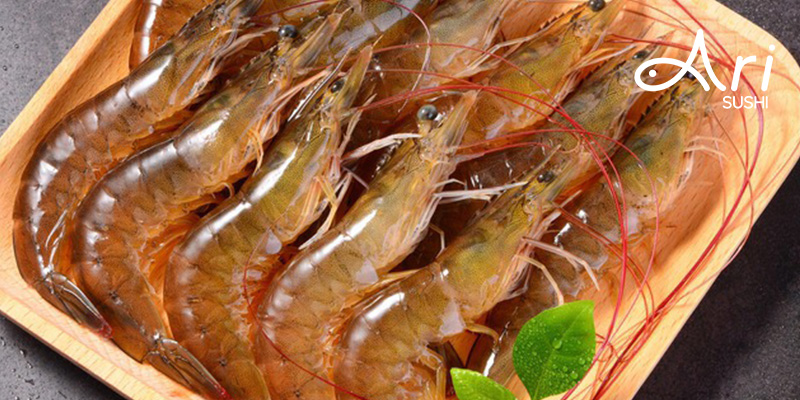
Fresh ingredients – the soul of the dish
In Japanese cuisine, the main ingredient is the factor that determines the flavor. The Japanese always believe: “Only when the ingredients reach the freshest level, can the dish reach sophistication.”
With Japanese tempura, this is more true than ever.
The ingredients used for tempura are very diverse, creating a rich variety of tempura that diners can enjoy. The most popular are shrimp, white fish, squid, or seasonal vegetables such as eggplant, sweet potato, pumpkin, bell pepper, okra and shiso leaves (Japanese perilla leaves). Each ingredient brings a unique feature: shrimp is crispy and sweet, squid is chewy, vegetables are fatty and refreshing.
Before processing, the ingredients are always washed, dried and cut into bite-sized pieces so that they can be fried evenly. In particular, the Japanese always pay attention to maintaining the natural moisture of the food – because if it is too dry, the dish will lose its characteristic delicate sweetness.
It is this meticulousness that makes delicious tempura not only attractive in its crispy shell but also in the sweet, fresh taste that is completely preserved inside. That is also the reason why tempura is not simply a fried dish, but also a symbol of sophistication in delicious Japanese food.
Tempura batter – the secret to creating a crispy coating
If the ingredients are the soul, then the batter is the “costume” that honors the beauty of Japanese tempura.
Different from regular fried batter, tempura batter is made from a mixture of wheat flour, chicken eggs and ice cold water. Some chefs also add a little corn starch, rice flour or soda to increase the crispiness and lightness of the coating.
The interesting thing is that tempura batter should not be stirred too much. The mixture should still be lumpy, with tiny lumps, because they will create a natural porosity when fried, helping the batter not to be thick but still crispy.
The Japanese believe that the tempura coating must be thin enough to not cover the taste of the ingredients, but still crispy enough to create a “melt in your mouth” feeling.
The secret to achieving this perfection lies in the chef’s skill and speed. When frying, the batter and ingredients must be dipped and added to the oil immediately, avoiding the batter from flowing or clumping. It is this fast – neat – precise rhythm that creates the unique characteristics of delicious tempura that no other fried dish can compare to.
Frying oil and temperature – the decisive factor for deliciousness
The last factor, and also the biggest challenge for the chef, is controlling the oil temperature. Tempura cannot be fried with any type of oil – the Japanese often use sesame oil, canola oil or sunflower oil, because of its light flavor, which does not overpower the smell of the ingredients.
The ideal temperature for frying tempura ranges from 170–180°C. At this temperature, the batter will expand evenly, not absorb much oil, creating a crispy crust but still retaining the soft sweetness inside.
If the oil is too hot, the batter will quickly burn to a deep golden brown, while the ingredients inside have not yet cooked; conversely, if the oil is too cold, the batter will absorb the oil, making the dish heavy and greasy.
To achieve “Japanese standards”, many professional chefs practice for years just to feel the right temperature by the sound and color of the oil bubbles. When you hear a slight “sizzling” sound and see tiny bubbles floating around the tempura, that is a sign that the oil is at the perfect temperature.
After frying, tempura is usually placed on oil-absorbing paper for a few seconds – just enough to remove the excess oil, keeping the coating crispy without drying out.
Famous Tempura Types
If sushi is the symbol of Japanese cuisine, Japanese tempura represents creativity and flexibility in preparation. Although it is just a fried dish, tempura has countless variations – from seafood to vegetables, from traditional to modern – all blending into a colorful picture of Japanese cuisine.
When it comes to tempura, you will be surprised by the richness of ingredients and presentation. Each type has a different flavor and feeling, but they all have something in common: a crispy golden coating, a light aroma and natural sweetness from fresh ingredients. Below are the most famous types of tempura that you must try when you want to enjoy delicious tempura with the authentic taste of the Land of the Rising Sun.
Ebi Tempura – Shrimp Tempura
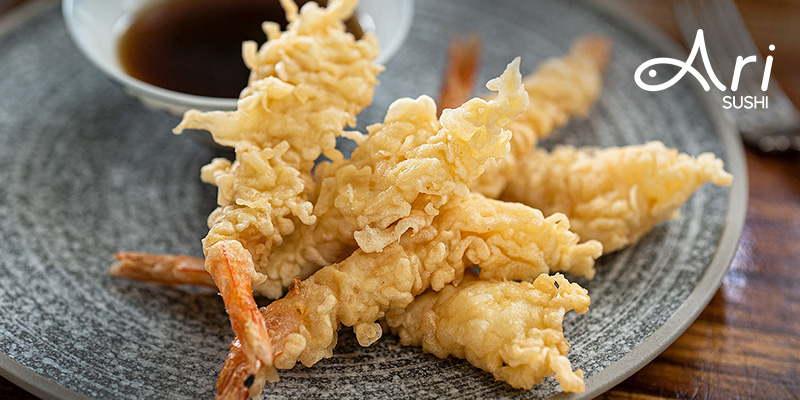
It is not an exaggeration to say that Ebi Tempura is the “soul” of Japanese tempura. From cheap eateries to luxury restaurants, shrimp tempura always appears as a familiar choice.
Fresh and delicious shrimp are carefully selected, peeled, de-veined and straightened before being dipped in a thin layer of tempura batter. When dropped into a pan of hot oil at the right temperature, the shrimp expands evenly, the batter turns golden, and gives off an attractive aroma.
The special thing about Ebi Tempura is the perfect balance between the crispy outer shell and the sweet, soft, and juicy shrimp meat inside. This dish is often served with white rice, tentsuyu dipping sauce and grated radish – creating a harmonious combination of salty, sweet and light flavors.
In Japan, people also consider Ebi Tempura as a symbol of luck and prosperity, often appearing during holidays or important meals.
Yasai Tempura – Vegetable Tempura
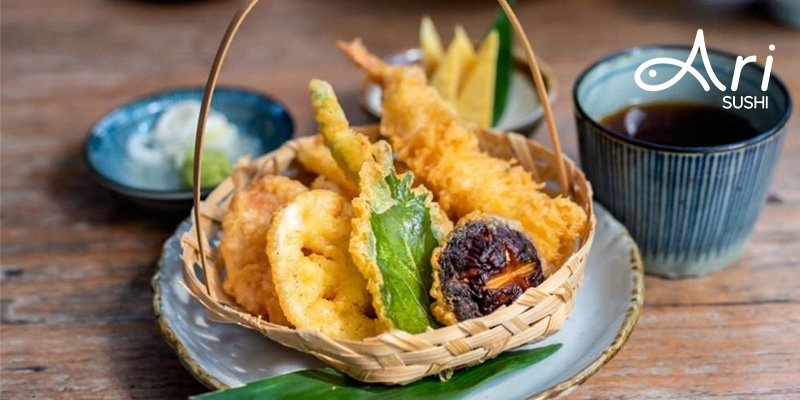
If you love light, refreshing flavors, Yasai Tempura (vegetable tempura) will definitely be the ideal choice. This is a delicious Japanese dish that many vegetarians or green food lovers choose.
Common vegetables used to make yasai tempura include:
- Eggplant – when fried, it has a soft texture and a characteristic sweetness.
- Sweet potatoes – crispy on the outside, sweet and nutty on the inside, creating a warm feeling when eaten.
- Pumpkin and bell peppers – bring natural sweetness and eye-catching colors.
- Mushrooms, okra, shiso leaves (Japanese perilla) – light, refreshing aroma and very suitable when eaten with rice or noodles.
Japanese chefs often choose seasonal vegetables to ensure the most freshness and full flavor. Therefore, each season of the year, Japanese tempura has a different nuance – both familiar and sophisticated. When eaten, yasai tempura is often lightly dipped in tentsuyu water or matcha salt, making the flavor purer and fuller.
Kakiage – Mixed Tempura
If you want to try a “many flavors in one bite” version, then Kakiage is the perfect choice. This is a delicious form of tempura created by mixing many ingredients – usually small shrimp, onions, carrots, sometimes even perilla leaves or mushrooms – then frying them into round, golden pieces.
Kakiage is not only eye-catching but also has a rich flavor: the sweetness of seafood mixed with the crunchiness of vegetables, all wrapped in a thin, crispy layer of dough.
This dish is very popular in udon or soba shops in Japan. A hot bowl of udon with kakiage tempura is the perfect combination of crunchiness, softness and the gentle aroma of the broth.
Compared to other types of tempura, kakiage feels more rustic and intimate, like a family dish but still retains the inherent sophistication of Japanese cuisine.
Fish Tempura – Fish Tempura
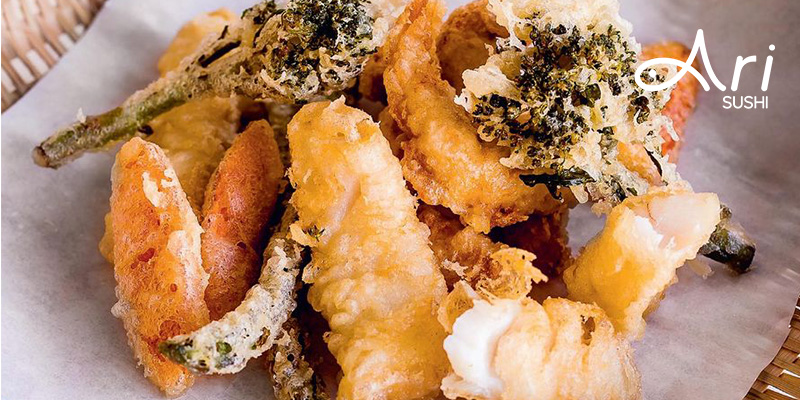
For those who love the natural sweetness of seafood, Fish Tempura – fish tempura – is definitely a dish not to be missed. Japanese people often choose white-fleshed fish such as cod, sea bream, mackerel or kisu (sand fish) to prepare, because they have a soft texture and a light taste.
The fish pieces are cut into bite-sized pieces, lightly coated with tempura flour and quickly fried in hot oil. When cooked, the outer layer is lightly golden and crispy, while the fish meat inside is still pure white, soft and moist, and has a light sea scent.
The interesting thing is that fish tempura is usually not dipped in tentsuyu sauce but served with matcha salt (salt mixed with green tea powder) or fresh lemon to highlight the natural sweetness of the fish. This is a sophisticated, authentic Japanese way of enjoying food, helping diners fully experience the “umami” flavor – a unique flavor found only in delicious Japanese dishes.
How to Enjoy Japanese Tempura
Although it is a fried dish, Japanese tempura is never eaten carelessly. The Japanese have their own “ritual” to enjoy this dish to the fullest.
Tentsuyu dipping sauce – the soul of the flavor
Tentsuyu dipping sauce is made from dashi (fish bone broth), mirin and soy sauce, bringing a sweet and rich taste. When eating, you just need to lightly dip the tempura into the dipping sauce and enjoy it immediately to feel the crispiness and aroma of the fried coating combined with the gentle salty and sweet taste.
Grated radish and ginger – a refreshing highlight
To balance the rich flavor of fried dishes, Japanese people often eat grated radish or fresh ginger. The mild and cool spicy taste makes the dish more pleasant, not greasy.
Enjoy while it is still hot
A golden rule when eating delicious tempura is to eat it immediately after frying. Because just a few minutes later, the crispy batter will soften, no longer retaining its characteristic fluffiness.
Famous Address Serving Delicious Tempura in Da Nang – Ari Sushi Sushi Restaurant
If you are a fan of Japanese cuisine and are looking for a place to enjoy delicious, authentic tempura in Da Nang, then Ari Sushi Sushi Restaurant is definitely an ideal destination not to be missed.
Located right in the center of Da Nang city, Ari Sushi impresses with its Japanese-style space – gentle, sophisticated but still cozy and close. Every small detail such as lanterns, wall paintings or service style all carry the breath of the cherry blossom country, creating a relaxing and luxurious feeling for diners.
The special thing that makes Ari Sushi famous is the quality of the dishes, which are meticulously cared for from the selection of ingredients to the processing techniques. The tempura here is fried in the traditional Japanese style: the ingredients are always fresh every day, a thin layer of tempura batter surrounds them, and they are quickly fried in clean oil at the right temperature to keep the outside crispy and the inside soft and sweet.

A portion of shrimp and vegetable tempura at Ari Sushi not only conquers diners by its delicious, crispy taste but also by its sophisticated presentation, imbued with the omotenashi style (Japanese hospitality spirit). Each piece of tempura is neatly arranged on a plate, served with a light tentsuyu dipping sauce and grated radish to balance the fatty taste.
In addition to tempura, diners at Ari Sushi can also fully enjoy the world of Japanese cuisine through sushi, sashimi, udon, soba or donburi dishes prepared with standard flavors. In particular, the restaurant regularly serves the “Tempura Set” combo – the perfect choice for those who want to experience a complete and harmonious Japanese meal.
If you love sophisticated Japanese cuisine, emphasizing quality and meticulousness in each dish, then Ari Sushi Sushi Restaurant in Da Nang will definitely be the place that makes you want to come back many times.
Conclusion
Japanese tempura is not just a simple fried dish but also a symbol of the spirit of Japanese cuisine – respecting ingredients, focusing on technique and emphasizing the balance of flavors. From traditional tempura to modern variations, all bring sophistication in every bite.
If you have the opportunity to visit Da Nang, do not forget to stop at Ari Sushi Sushi Restaurant to enjoy delicious, crispy and artistic tempura. This will definitely be a culinary experience that will make you remember the taste of this famous Japanese dish forever.
—-
Contact information
Address: 268 Vo Nguyen Giap, My An Ward, Ngu Hanh Son District, Da Nang
Phone: 0941 141 945
Email: arisushidanang@gmail.com
Fanpage: https://www.facebook.com/arisushinhahangnhat
Website: https://arisushi.vn/